



Gulmen Digital Label Printers: Solutions for Australian Manufacturers
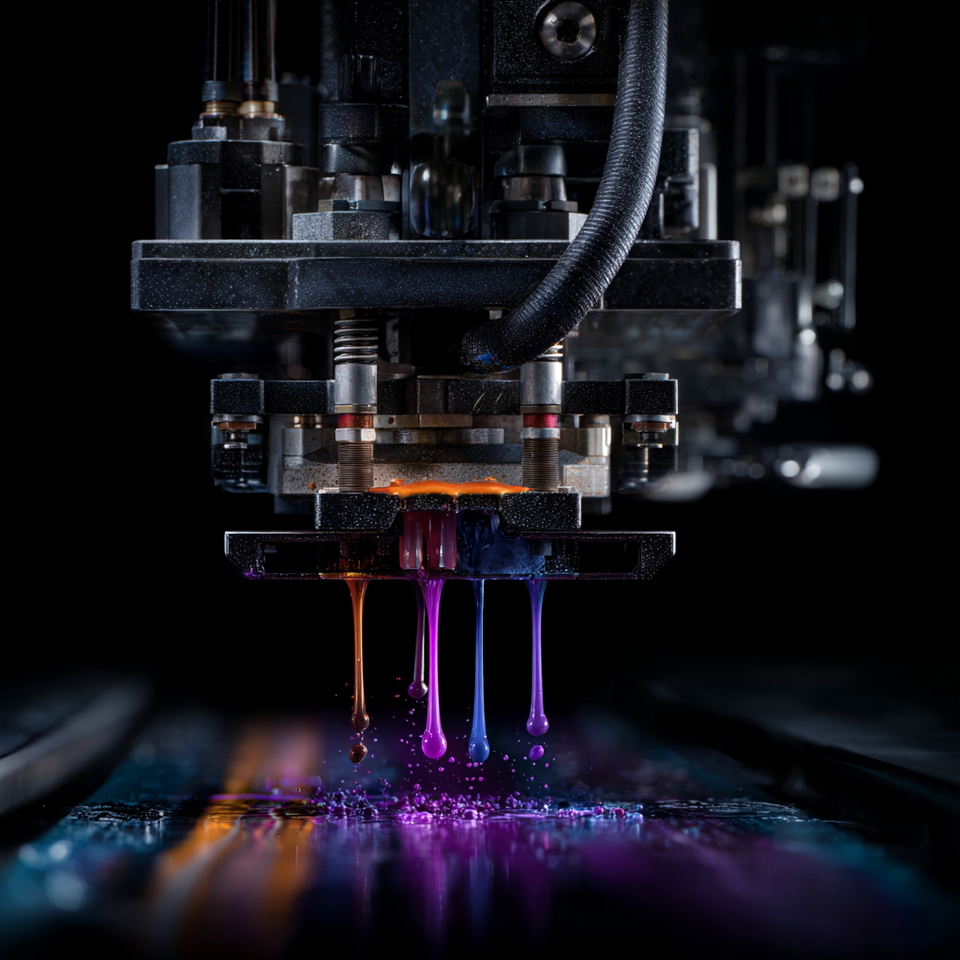
Most Australian manufacturers treating label printing as a procurement problem — ordering from trade printers, managing minimum order quantities, absorbing two-week lead times — discover the real cost only when a product recall requires relabelling overnight, or when a regulatory update makes 40,000 printed labels obsolete.
The manufacturers who have solved this problem share a common characteristic: they brought label production in-house with industrial-grade digital equipment, supported by a local supplier who understands both the machinery and the application.
Gulmen Digital, a Melbourne-based label printer manufacturer and solutions provider, occupies that position in the Australian market. This article covers who they are, what equipment they supply, and what Australian manufacturers should know before engaging them.
About Gulmen Digital
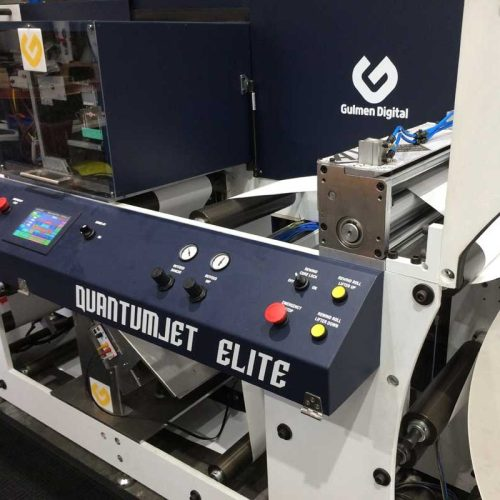
Based in Melbourne — design, engineering and support in Australia
Gulmen Digital operates from 42 Orbis Drive, Ravenhall VIC 3023, in Melbourne's western industrial corridor — the same precinct where a significant share of Victorian food, beverage, and chemical manufacturing is concentrated.
The business functions as both a machinery manufacturer and a systems integrator, designing and assembling industrial label printing platforms locally rather than importing finished units and reselling them under a local entity. That distinction matters for capital equipment buyers. When a production line goes down at 6am on a Tuesday, the difference between a local engineering team and an offshore support desk is measured in hours of lost output.

Prefer to talk it through? Call (03) 9318 7177. Gulmen Digital's team is in Ravenhall, VIC.
The Australian print label market reached USD 1.4 billion in 2024 and is forecast to grow to USD 1.9 billion by 2033 — a trajectory that reflects sustained manufacturing activity and tightening regulatory requirements across food, chemicals, and healthcare. Manufacturers operating in that environment need equipment suppliers with genuine local accountability, not just a local phone number routing to an international help desk.
Gulmen Digital's Melbourne base supports direct technical assistance, on-site installation, and engineering customisation for Australian production conditions. Their team handles mechanical and electrical design, software integration, assembly, and service dispatch from the same facility — a consolidated model that reduces the handoff failures common when sales, support, and engineering sit in different countries.
Specialising in label printing, finishing and packaging solutions
Gulmen Digital's scope covers the full digital label production workflow: printing, finishing, and consumables supply. This positions them as a solutions provider rather than a single-device vendor, which affects how manufacturers should think about the buying decision.
Purchasing a digital label printer without a matched finishing line is a common implementation failure. The press produces printed rolls; converting those rolls into finished, cut, and rewound labels ready for application requires lamination, die-cutting, matrix removal, and slitting. Sourcing these elements from separate vendors — often with limited compatibility testing between them — introduces risk at every handoff.
Gulmen Digital's end-to-end offering is designed to eliminate that fragmentation, providing a single point of accountability from raw web to finished label roll. Their solution categories span:
- Industrial digital label printers — roll-to-roll platforms for continuous production environments
- Label finishing equipment — die-cutting, laminating, slitting, and rewinding systems
- Entry-level and departmental label printers — for small batches, prototyping, and multi-site deployments
- Consumables and spare parts — inks, toners, substrates, fuser units, and maintenance components
The global print label market is valued at approximately USD 55.95 billion in 2026 and is expected to grow at a CAGR of 4.7% through 2033, driven by SKU proliferation and the shift toward shorter runs — exactly the conditions that make in-house digital label production economically rational for mid-sized Australian manufacturers.
Who Gulmen Digital Serves
Gulmen Digital's equipment and support model is most relevant to Australian manufacturers and trade printers across five primary sectors:
- Food and beverage — product labels, nutritional panels, multi-SKU ranges, promotional and seasonal variants requiring frequent artwork changes without plate costs
- Cosmetics and personal care — premium small-format labels, short-batch production, intricate shapes and finishes requiring high-resolution output and precise cutting
- Chemicals and industrial goods — GHS-compliant, chemically resistant labels for drums, containers, and industrial equipment, where durability and regulatory accuracy are non-negotiable
- Wine and beverage producers — boutique and mid-scale wineries, craft brewers, and distillers requiring short-run, high-impact labels across multiple varietals and limited releases
- Label and packaging trade printers — converters supplying labels to brand owners across all of the above sectors, using Gulmen systems to add digital capacity without building internal R&D
These sectors share a structural challenge: increasing SKU counts, tighter regulatory compliance timelines, and growing demand for on-demand production that conventional outsourcing cannot deliver cost-effectively.
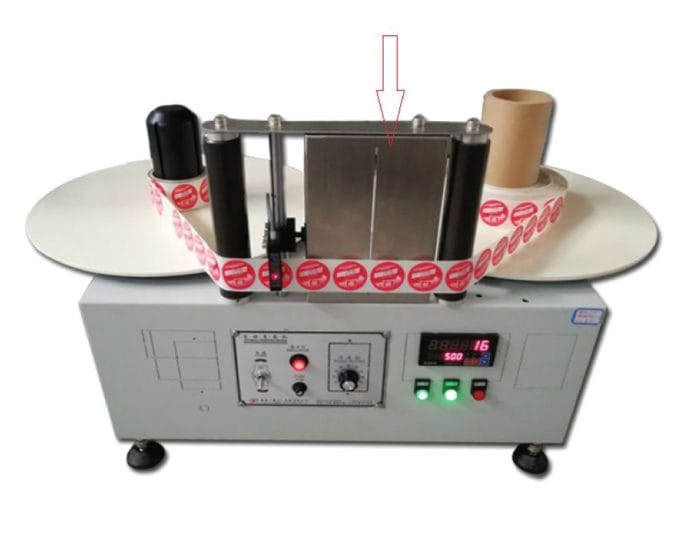
The Gulmen Digital Product Range
Industrial digital label printers — the Quantumjet Elite series
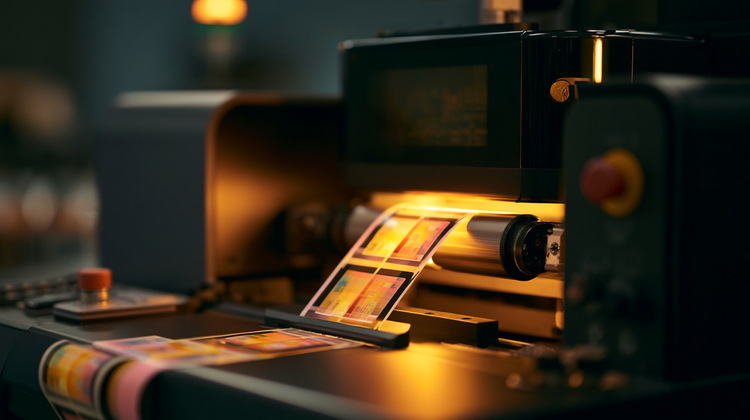
The Quantumjet Elite is Gulmen Digital's flagship industrial digital label printer, built for production-grade narrow-web label and packaging applications.
It targets converters and manufacturers who have outgrown desktop label printers and need the duty cycle, speed, and media flexibility of a proper production press — without the long lead times and import risk of sourcing from overseas.
The Quantumjet Elite is designed and assembled in Melbourne. Its architecture combines a high-speed inkjet print engine with locally engineered mechanical transport, web handling, and control systems, giving Gulmen's team direct control over customisation and service.
Label finishing equipment — the GD QuantumFlex die-cutting finisher
The GD QuantumFlex is Gulmen Digital's industrial digital label finisher, designed to convert printed rolls into finished, cut, and rewound labels ready for application. Capabilities include:
- Rotary or semi-rotary die-cutting
- Lamination and varnish application
- Matrix removal
- Slitting and rewinding
The QuantumFlex is built to operate in synchronisation with the Quantumjet Elite and other compatible digital presses, enabling inline or near-line finishing workflows.
For trade printers and converters, a matched printer-finisher combination from a single local supplier significantly reduces integration complexity and troubleshooting surface area.
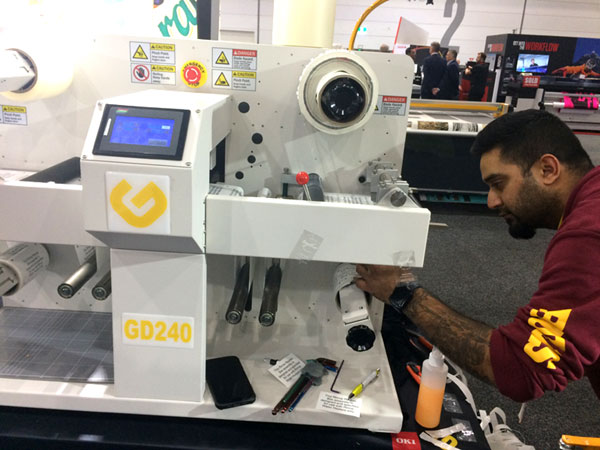
The GD240, Gulmen's desktop-class knife plotter cutter, demonstrates the engineering precision applied across their finishing range: full-servo motor motion, dual cutting heads with automatic spacing adjustment, a German SICK sensor for mark tracking, and cutting precision of 0.1mm at speeds up to 3,000mm/s. The QuantumFlex scales these capabilities to higher web widths and production throughputs.
OKI colour label printer systems
For lower-volume applications, departmental deployments, or manufacturers piloting in-house label production before committing to a full production line, Gulmen Digital supplies and integrates OKI PRO series colour label printers.
These LED dry-toner devices — including the OKI PRO1040 (CMYK) and PRO1050 (CMYK + White) — produce labels at resolutions up to 2,400 x 1,200 dpi.
The dry-toner process delivers strong resistance to moisture, chemicals, UV exposure, and temperature variation, making OKI PRO systems well suited to chemical, horticultural, food, and beverage labelling where durability is a baseline requirement rather than a premium option.
The PRO1050's white toner channel extends capability to clear, metallic, and coloured substrates — a meaningful advantage for cosmetic and premium consumer goods brands that need legible graphics on non-white label materials.
MemJet high-speed label printing solutions
Gulmen Digital also deploys MemJet-based label printing solutions, including systems such as the Colordyne 1800C. MemJet's fixed-head, page-wide inkjet technology enables:
- Print resolution up to 1,600 x 1,600 dpi
- Speeds up to 18m/min in standard mode (9m/min in premium resolution mode)
- Maximum print width of 216mm
- Aqueous dye inks across five 250ml cartridges (CMYKK)
MemJet systems occupy a practical middle ground: faster and more capable than thermal transfer or office laser printers, more compact and accessible than a full production press. For manufacturers moving label production in-house for the first time, a MemJet-based system offers a viable entry point with a credible upgrade path.
Supplies and consumables
Gulmen Digital stocks manufacturer-compatible consumables and spare parts for its installed equipment base, including toners, inks, fuser units, transfer belts, and label substrates.
Consumable strategy is not a secondary consideration in label printing: ink and substrate costs typically represent more than 60% of total operating expenditure for mid- to high-volume digital label operations. Sourcing consumables through the same supplier who built and services the press reduces compatibility risk and ensures that colour performance and durability specifications remain consistent over the life of the equipment.
Quantumjet Elite — The Flagship Industrial Label Printer
Key specifications
The Quantumjet Elite delivers production-grade performance across a specification set that positions it in the upper tier of Australian narrow-web digital presses:
These figures are not marketing maximums reserved for single-colour test strips. The combination of 1,600 x 1,600 dpi resolution with 135m/min speed reflects the DuraBolt-class print engine architecture that underpins the Quantumjet platform — a technology designed for continuous production, not occasional short runs.
The 450 gsm substrate capability extends the Quantumjet Elite beyond conventional label stocks into carton board and folding carton applications, giving manufacturers the option to print on both pressure-sensitive labels and light packaging from a single press. For a food or nutraceutical manufacturer producing both shelf labels and secondary packaging, this dual capability can consolidate two outsourced print categories into a single in-house workflow.
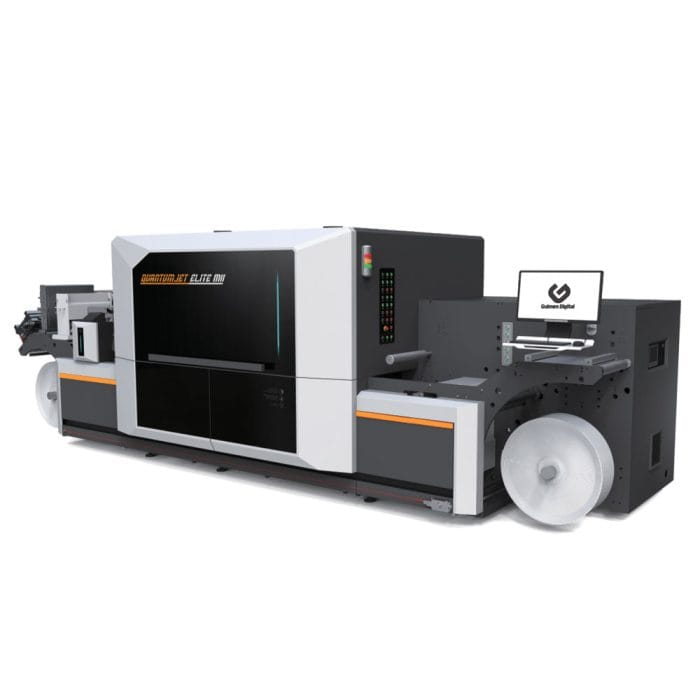
Designed and manufactured in Melbourne
The Quantumjet Elite is not configured offshore and shipped to Australia — it is designed and manufactured in Melbourne, with local engineers responsible for mechanical design, web transport, control systems, and integration architecture.
For buyers evaluating a 7-to-10-year capital commitment, this matters beyond the initial purchase. Local manufacturing means upgrade paths are engineered for Australian production conditions, spare parts availability is managed domestically, and customisation requests — specific unwind sizes, integration with existing conveyors or inspection systems, interface with plant MES — can be handled by the same team that built the machine.
The alternative, a grey import supported remotely or through a thin local distributor, introduces compounding risk over time: firmware updates that don't translate to local power standards, spare parts on six-week shipping lead times, and customisation requests that disappear into international support queues.
Flexo station option for hybrid production
The Quantumjet Elite supports an optional flexographic station, enabling hybrid production that combines digital inkjet output with conventional flexo in a single pass. Hybrid configurations are particularly useful when:
- Brand guidelines require Pantone spot colours or opaque whites that fall outside the digital gamut
- Long-run base designs benefit from cost-efficient flexo coverage for large solid areas, with digital handling variable elements
- Specialty coatings — metallics, high-gloss varnishes, tactile finishes — need to be applied inline rather than as a separate post-press operation
Digital handles versioning and short runs efficiently; conventional handles high-coverage and special-effect elements at lower cost per metre. A platform that does both without a second press or additional handling steps reduces total production cost and floor space requirements simultaneously.
Ideal applications
The Quantumjet Elite's speed, resolution, substrate range, and hybrid capability make it the appropriate choice for:
- Industrial labels — GHS compliance labels, asset identification, drum and container labelling with variable batch and lot data
- Short-run folding cartons — pharmaceutical, nutraceutical, and boutique FMCG secondary packaging at 450 gsm
- Versioned and promotional packaging — seasonal variants, limited editions, export-market-specific regulatory panels
- Trade label production — high-utilisation digital capacity for converters servicing multiple brand owners across food, beverage, chemical, and retail
Manufacturers typically move higher-volume SKUs onto digital platforms progressively, beginning with the most change-intensive or compliance-sensitive labels. The Quantumjet Elite's throughput means that initial use cases don't constrain future capacity as the in-house production scope expands.
Industries Gulmen Digital Serves
Food and beverage manufacturers
Australian food and beverage manufacturers face a convergence of pressures that make outsourced label printing increasingly difficult to manage: more SKUs, more frequent ingredient and allergen updates, stricter food safety labelling requirements, and growing demand for promotional and seasonal variants.
The regulatory pressure is real and accelerating. As of February 25, 2026, the transition period for Plain English Allergen Labelling (PEAL) has concluded under FSANZ Standard 1.2.3, meaning every product on shelf must now meet strict new standards for naming and formatting allergens — with non-compliance carrying mandatory recall risk.
Food Ministers from Australia and New Zealand also formally began the process to mandate the Health Star Rating system in February 2026, adding further label update cycles ahead for packaged food producers.
Long print runs ordered in advance create inventory risk; short-run outsourcing creates lead-time and cost-per-label problems. Digital label printing resolves this by enabling just-in-time production at volumes that match actual consumption rather than minimum order quantities.
A regional sauce manufacturer running 40 SKUs across regional and export markets can maintain accurate, current labels across all products without carrying months of label inventory or absorbing write-offs when formulations change. Gulmen Digital's Quantumjet Elite and MemJet-based systems support the full-colour, high-resolution output required for retail food labels, with substrate options suited to chilled, frozen, and ambient product environments.
 Gulmen Digital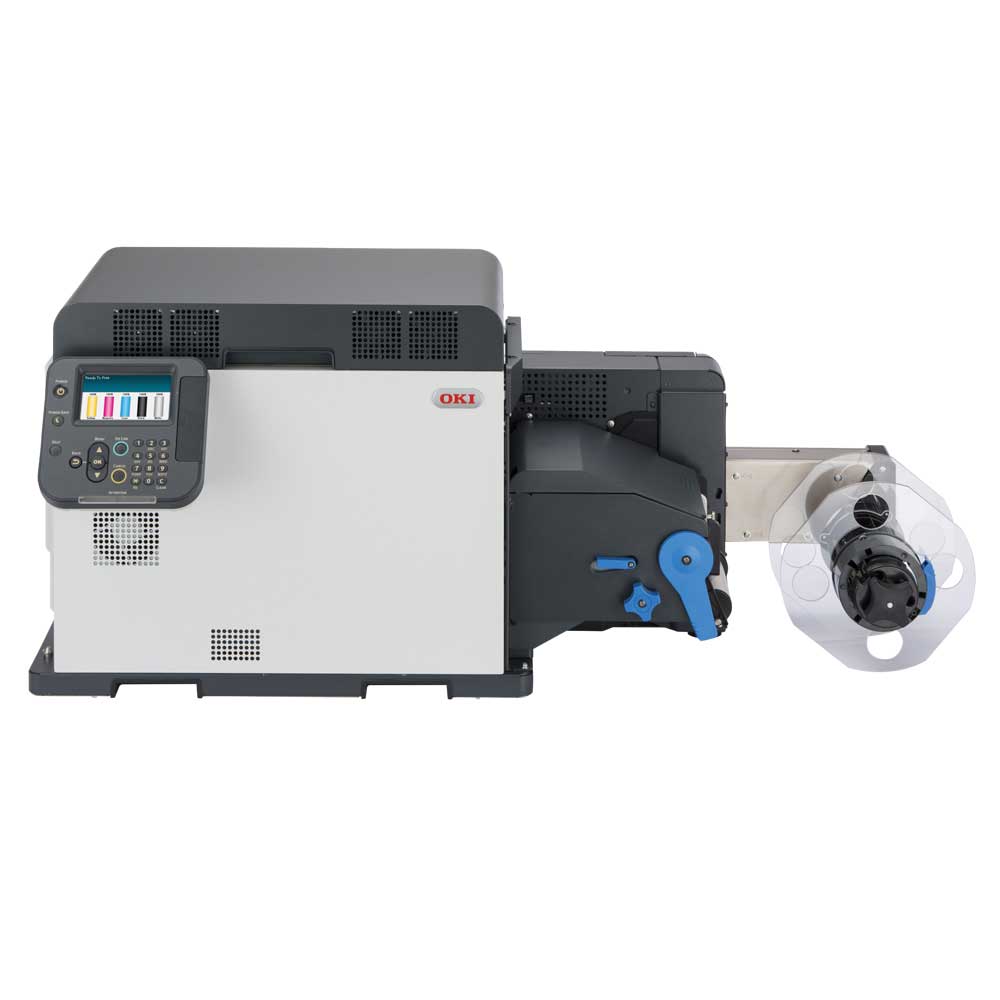
Cosmetics and personal care brands
Cosmetics and personal care labels carry a dual burden: they must comply with ingredient disclosure and safety regulations while simultaneously functioning as primary brand communication.
For boutique and fast-growing brands — the segment most likely to need Gulmen Digital's capabilities — frequent design refreshes and small batch sizes make conventional outsourcing expensive and slow.
High-resolution digital output at 1,600 x 1,600 dpi reproduces fine typography, smooth vignettes, and detailed graphic elements at the quality level the cosmetics category demands. Paired with the GD QuantumFlex or GD240 finisher's 0.1mm cutting precision, the system handles intricate label shapes — rounded corners, custom contours, inset cutouts — that distinguish premium packaging on shelf.
Chemical and industrial goods manufacturers
GHS-compliant chemical labelling is not optional. Under Australia's Work Health and Safety Regulations, only GHS 7 can now be used to label newly manufactured and imported hazardous chemicals, and manufacturers and importers have a duty to ensure correct labelling as soon as practicable after manufacturing or import. The penalties for non-compliant labels under both WHS legislation and dangerous goods transport regulations are material.
For chemical manufacturers, label quality is a compliance function as much as a marketing one. OKI PRO series dry-toner systems supplied by Gulmen Digital are specifically noted for chemical and UV resistance, producing labels that maintain legibility and adhesion under exposure to the substances they identify. Variable data printing for batch numbers, production dates, and hazard codes integrates directly into the print workflow, eliminating the secondary step of thermal transfer overprinting on pre-printed base labels.
Wine and beverage producers
Australia's wine sector comprises more than 2,000 wineries, the majority of which produce multiple varietals across vintage years, regional designations, and export markets — each requiring separate labels, often in quantities that make conventional minimum order quantities uneconomical.
Digital label printing is now standard practice in international wine label production precisely because it eliminates plate costs and minimum quantities for short runs. A boutique winery releasing 800 cases of a single-vineyard white needs the same label quality as a volume producer — but at a quantity where conventional printing is economically irrational. Gulmen Digital's narrow-web digital systems and finishing equipment serve this requirement directly.
Label and packaging trade printers
Trade printers and converters are a structurally important customer segment for Gulmen Digital because they aggregate label demand across many brand owners, creating the utilisation profile that justifies industrial press investment.
For a trade printer, adding a Quantumjet Elite to an existing flexographic operation provides the ability to accept short-run digital work that would otherwise be declined or subcontracted, while the GD QuantumFlex handles finishing in a matched workflow. The local engineering and support model matters here too: a trade printer's revenue depends on press uptime, and a Melbourne-based service team is a more reliable uptime guarantee than offshore support.
Why Australian Manufacturers Choose Gulmen Digital
Local design and manufacturing — not a grey import
The Australian capital equipment market contains a significant volume of grey imports — machines sourced directly from overseas manufacturers without formal local distribution, support, or compliance verification.
For buyers attracted by lower upfront costs, the risk is concentrated in the operational phase: firmware incompatibilities, spare parts on long international shipping lead times, and no local engineering resource when customisation is needed.
Gulmen Digital's Quantumjet Elite and GD-series finishing equipment are designed and manufactured in Melbourne. The engineering team that builds the machine is the same team that services and upgrades it. For a press expected to run for a decade in a production environment, that local continuity is a tangible risk reduction rather than a marketing claim.
On-site installation, training and support
Digital label presses have a genuine learning curve. Colour management, substrate profiling, RIP configuration, die-cutting registration, and maintenance routines all require structured training to achieve rated performance — and that training is most effective when delivered by engineers who built the system and understand its specific configuration.
Gulmen Digital provides on-site installation, operator training, and ongoing technical support from its Melbourne base. Installation includes mechanical commissioning, integration with existing IT and workflow infrastructure, and initial colour and substrate profiling for the customer's actual label mix. Training covers daily operation, job setup, maintenance schedules, and basic troubleshooting — the competencies that determine whether a press runs at rated throughput from week three or week thirty.
Complete solution: printing, finishing and consumables
Single-vendor accountability across printing, finishing, and consumables eliminates a category of implementation risk that is common but rarely discussed: the compatibility gap between components sourced from different suppliers.
When print quality or finishing registration fails, a fragmented supply chain produces a dispute about whose component is at fault. A single supplier with matched systems and tested consumables takes ownership of the outcome rather than the interface.
Gulmen Digital's model — Quantumjet Elite or MemJet/OKI press, matched GD QuantumFlex or GD240 finisher, and locally stocked consumables — provides that unified accountability for Australian manufacturers who cannot afford extended production interruptions while suppliers argue about responsibility.
Application expertise across multiple industries
Substrate selection for a chilled food label is a different problem from substrate selection for a GHS chemical drum label, which is different again from a premium cosmetics label on metallised film. The equipment may overlap; the application knowledge does not transfer automatically.
Gulmen Digital's cross-industry customer base in food, beverage, cosmetics, chemicals, and trade printing gives their team accumulated application knowledge across the label categories most common in Australian manufacturing. This translates into faster substrate qualification, more accurate consumable recommendations, and better-calibrated advice on which equipment configuration suits a given application — reducing the trial-and-error period that typically follows a new press installation.
Getting Started with Gulmen Digital
Site assessment and application analysis
An effective digital label press installation begins with a structured assessment of the manufacturer's current label operation: volumes by SKU, run lengths, changeover frequency, substrate types, regulatory requirements, and existing supply chain.
This analysis informs the equipment recommendation — whether an OKI PRO system is sufficient, whether a MemJet-based unit fits the volume profile, or whether the Quantumjet Elite is the appropriate starting point.
Gulmen Digital typically conducts this assessment through direct consultation, reviewing historical label usage data and future product plans. Mapping 12 to 24 months of actual consumption against projected SKU growth provides the data needed for a credible ROI model before any capital commitment is made.
Sample and trial printing
Before purchase decisions are finalised, Gulmen Digital offers sample and trial printing using the customer's actual artwork and intended substrates. This step validates:
- Colour reproduction against brand standards and regulatory requirements
- Barcode and QR code readability under real scanning conditions
- Adhesion, durability, and finish performance on the customer's specific substrates
- Finishing behaviour — die-cutting accuracy, matrix removal, rewind tension — on the intended label shapes
For manufacturers seeking internal sign-off across marketing, quality, and regulatory functions, physical label samples produced on the proposed equipment are the most effective tool for accelerating stakeholder approval.
Machine installation and operator training
Following equipment selection and order, Gulmen Digital manages the full installation and commissioning process: mechanical positioning and alignment, electrical connection, integration with MIS and RIP software, and initial calibration for the customer's primary label substrates and ink profiles.
Operator training covers the competencies required for independent daily operation: job setup and queuing, substrate loading and tension management, colour management and profile selection, routine maintenance, and first-line troubleshooting. The objective is productive independence within a defined onboarding period — not continued dependence on the supplier for routine tasks.
Ongoing support and consumables supply
Post-installation, Gulmen Digital provides scheduled maintenance, break-fix technical support, firmware and software updates, and reliable local supply of consumables and spare parts. For production environments where label printing is integrated into packaging line scheduling, unplanned downtime has a direct cost that extends beyond the press itself — it affects fill line output, despatch scheduling, and customer commitments.
Local support from a Melbourne-based engineering team reduces mean time to resolution compared to offshore support structures, and local consumables stocking eliminates the shipping lead times that would otherwise create a choice between holding excessive on-site inventory or accepting supply risk.
Frequently Asked Questions About Gulmen Digital
Where is Gulmen Digital based?
Gulmen Digital is based in Ravenhall, Victoria, at 42 Orbis Drive (VIC 3023), in Melbourne's western industrial precinct. The facility houses design, manufacturing, sales, and technical support for customers throughout Australia.
What label printers does Gulmen Digital sell?
Gulmen Digital manufactures and supplies the Quantumjet Elite series of industrial digital label printers, the GD QuantumFlex label finishing system, MemJet-based label printing solutions (including the Colordyne 1800C), and OKI PRO series colour label printers. The range spans entry-level departmental units through to high-speed industrial narrow-web presses.
Does Gulmen Digital offer support and training?
Yes. Gulmen Digital provides on-site installation, structured operator training, and ongoing technical support from their Melbourne engineering team. Consumables supply — inks, toners, substrates, fuser units, and spare parts — is managed locally to support continuous production.
What industries does Gulmen Digital serve?
Gulmen Digital's primary sectors are food and beverage manufacturing, cosmetics and personal care, chemical and industrial goods, wine and beverage production, and label and packaging trade printing. Their application expertise spans the regulatory, durability, and aesthetic requirements specific to each of these categories.
Is the Quantumjet Elite made in Australia?
Yes. The Quantumjet Elite is designed and manufactured in Melbourne by Gulmen Digital's engineering team. Mechanical design, web transport systems, and control architecture are developed locally, with certain components — including print engine elements — sourced globally, consistent with standard practice across the industrial machinery sector.
How do I get a quote from Gulmen Digital?
Manufacturers can contact Gulmen Digital directly through their website at gulmendigital.com.au. The process typically begins with a consultation covering label volumes, substrates, application requirements, and site conditions, followed by sample printing where relevant, and a formal proposal with equipment configuration and projected ROI.

Comments ()