
Candle Label Printing: Pro Results, Any Order Size

Meta description: Roll or cut-to-size? DIY or pro-printed? This guide covers every candle label printing option, materials, legal requirements, and how to order — fast.
Candle label printing means producing pressure-sensitive adhesive labels sized and finished specifically for candle jars, tins, and pillars — sourced from a professional print supplier or produced in-house with a dedicated candle label printer. The route you choose determines your per-unit cost, finish quality, and how fast you can respond when a scent changes or a batch sells out. Most guides cover materials or ordering steps in isolation. This one works through the full decision tree — volume, format, material stresses specific to candles, legal requirements for Australian sellers, and the honest economics of DIY versus professional printing — so you can commit to a path before you spend anything.
 Gulmen Digital
What Is Candle Label Printing — and Which Route Is Right for You?
Professional candle label printing vs printing your own
Professional printing wins when you run 50 or more units of a single design and want consistent colour, premium finishes like foil or soft-touch matte, and materials tested for heat and oil resistance at press. Trade printers use calibrated CMYK workflows and industrial substrates that desktop equipment simply cannot match for durability or colour fidelity across large batches.
DIY printing wins when you make small batches, change scents frequently, or need to sidestep minimum order quantities altogether. A candle maker running 15 units of 20 different scents cannot economically order 250 labels per design — the label inventory outlasts the product. Home printing eliminates that drag entirely, at the cost of some finish quality and more hands-on time.
Roll labels vs cut-to-size: when each format wins
Roll labels feed through dispensers and semi-automatic applicators. They are faster to apply on straight-sided jars and tins when you are labelling dozens or hundreds of candles in a session. At 300 or more units per design per run, rolls reduce labour noticeably and keep labels aligned more consistently than hand-peeling from sheets.
Cut-to-size labels — supplied as individual pieces or on A4-style sheets — suit low volume and variety. If you make five different candle shapes or run ten seasonal scents in small quantities, cut-to-size labels let you order what you need without committing to roll minimums. They are slower to apply at scale but far more practical for mixed-SKU, hand-applied production.
Quick decision guide: volume, budget, and SKU count
Three variables drive the decision:
- Under 50 units per design, many SKUs: DIY printing or no-MOQ digital suppliers using cut-to-size labels. This is the scenario that comes up constantly in candle communities — high scent variety, low per-scent volume, and suppliers demanding 250-label minimums that create dead stock.
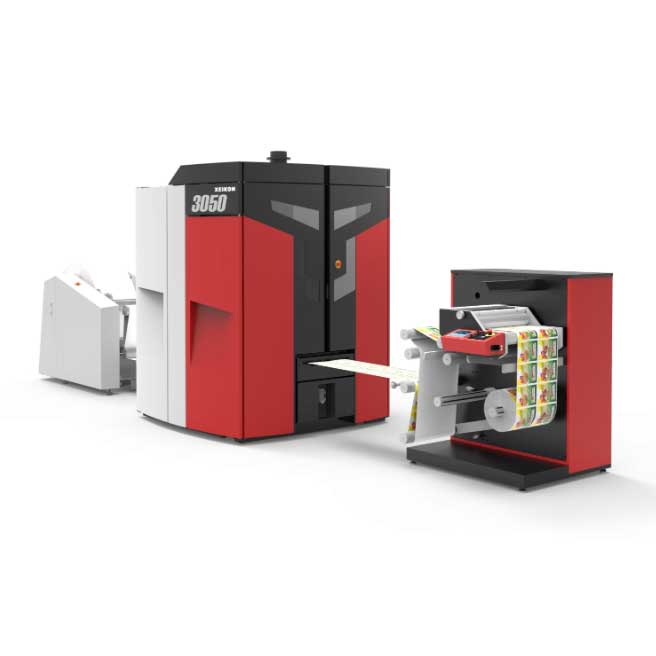
- 50–300 units per design: Professional digital printing, either cut-to-size or short roll, depending on how fast you apply. Digital presses handle short runs economically.
- 300+ units per design per month: Roll labels with professional printing. At this volume, a semi-automatic applicator pays back quickly, and per-label cost from professional printers drops significantly.
When searching for labels for candles Australia, you will find local digital printers that cater specifically to small-batch candle brands — many offer no-MOQ or low-MOQ runs, ship within two to three business days, and provide templates pre-loaded with AU-compliant safety warning text. For Australian makers, that local turnaround advantage often beats the unit-cost difference of ordering offshore once you factor in shipping and customs clearance time.
Choosing the Right Material for Candle Labels
Candle labels face three stresses that most generic label materials were not designed to handle simultaneously: heat from burning wax warming the container surface, condensation forming on glass jars in humid environments, and fragrance oil migrating from scented wax and potentially staining or lifting the label. Choosing material without accounting for all three is the most common reason candle labels peel, smear, or develop dark halos around printed edges.
Heat resistance: what temperatures candle labels must survive
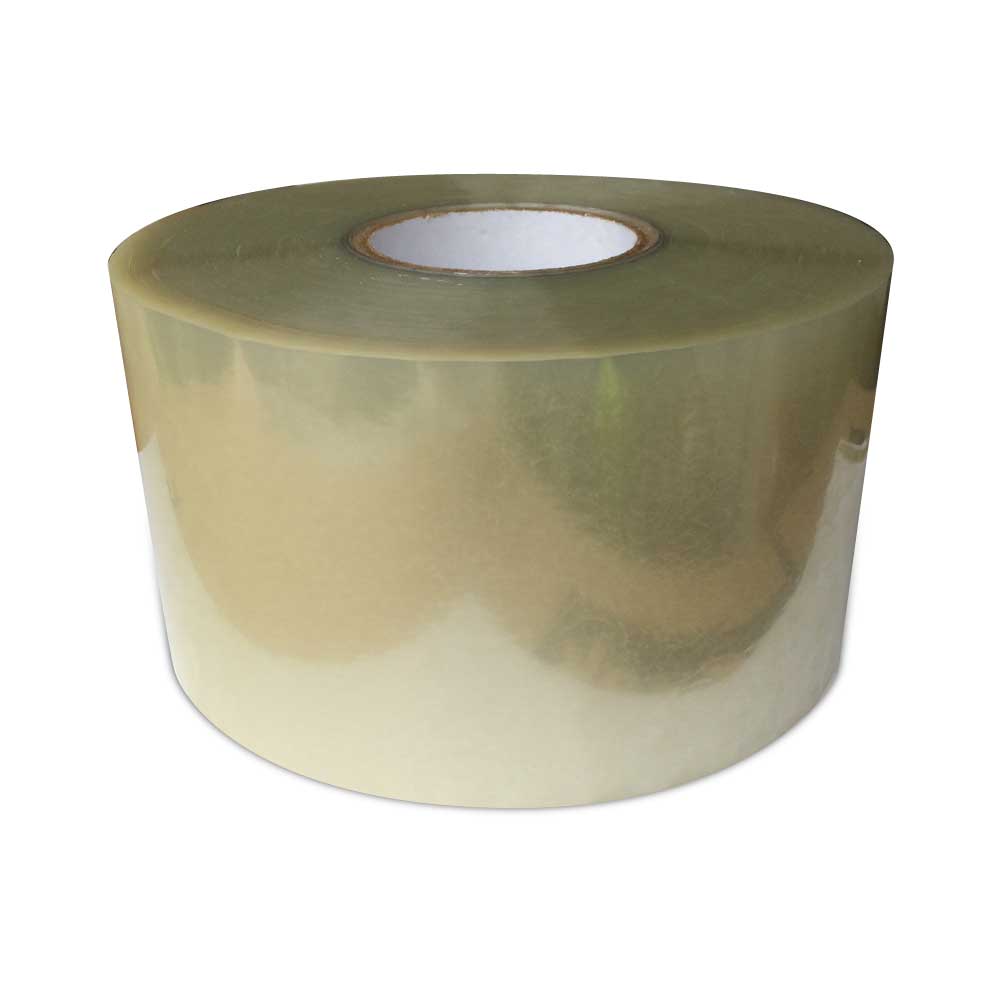
The outer surface of a glass container candle typically reaches 60–65°C during a full burn. Standard office label stock, designed for room temperature; can soften, bubble, or lose adhesion at these temperatures. BOPP (biaxially oriented polypropylene) film is rated for continuous service from roughly –40°C to +120°C, which comfortably covers normal container candle conditions.
Pillar and taper candles demand more. Their labels sit closer to open flame and can experience localised radiant heat well above 65°C. For these, choose higher heat-rated materials, specialist vinyl or polyester films; or place labels on external packaging rather than directly on the wax.
Moisture and condensation resistance for container candles
Glass jars sweat. In a humid bathroom, a coastal warehouse, or an Australian summer, condensation cycles repeatedly across the label surface. Uncoated paper absorbs that moisture and curls; the adhesive softens and the label edge lifts. BOPP, matte vinyl, and polyester films are non-porous — water rolls off and leaves the adhesive bond intact.
For Australian conditions specifically, where coastal humidity and summer heat combine, film labels with UV-resistant coatings outperform paper stocks significantly over a product's shelf life. A label that looks pristine in a Melbourne café in winter may be peeling by February without the right substrate.
Fragrance-oil bleed resistance — the often-missed requirement
Fragrance oils can migrate through porous label stocks and attack some adhesive formulations, producing a greasy halo effect around the printed area or causing edge lifting that starts subtly and worsens with handling. It is the failure mode that surprises most new candle makers, and most label guides never mention it.
BOPP and vinyl are oil-resistant by structure. If you prefer kraft paper for a rustic aesthetic, pair it with a clear laminate — this creates a physical barrier between the oil and the paper fibres while preserving the warm, handmade look. Without that laminate, kraft paper on a high-fragrance soy candle often stains within weeks.
Matte, gloss, and specialty finishes compared
Gloss film saturates colours and cleans easily, but shows fingerprints and reads as commercial rather than artisanal. Matte film suits minimalist and natural branding, hides handling marks, and photographs well for e-commerce. Specialty finishes, foil, soft-touch, embossed texture; require professional printing and add meaningful perceived value for gift and luxury lines, but introduce additional heat and chemical considerations your print supplier should advise on before you commit.
 Gulmen Digital
What Must Legally Appear on a Candle Label?
In Australia, candles sold commercially must display: the product name or identity, net weight or volume, country of origin, business name and address or contact details, and mandatory safety warnings covering fire hazard and safe use. These requirements derive from Australian Consumer Law and product safety standards applicable to consumer goods.
Safety pictograms and warning text
Standards including ASTM F2058 and EN 15494:2020 specify a general warning symbol, a triangle with an exclamation mark; alongside standardised text such as "Burn within sight," "Keep away from things that catch fire," and "Keep away from children." These warnings must remain visible and unobstructed at point of sale, with sufficient contrast and symbol height to be readable.
For candles exported to EU or UK markets, CLP (Classification, Labelling and Packaging) regulations may also require specific hazard pictograms and precautionary phrases, particularly where fragrance components trigger classification as irritants or environmental hazards. AISE guidance covers the harmonised approach most professional candle brands follow when selling across multiple markets.
Optional but recommended label information
Burn time, fragrance name, wax type, wick material, and care instructions — trim the wick, observe the first burn, do not burn for more than four hours at a stretch — are not universally mandated but improve customer experience and reduce returns. They also answer the questions buyers search for before purchasing. Include them.
Always verify current local requirements before finalising artwork. Regulations evolve, and state-level or export-destination requirements can layer on top of federal baselines.
How to Order Candle Labels Online (Step-by-Step)
Sizing your label to your jar or container
Measure the jar's circumference with a flexible tape, then subtract 3–5 mm from the width so the label ends don't overlap and create a raised seam. Measure the available height between the shoulder curve and the base, then reduce by a few millimetres top and bottom so the label sits within the flat wall rather than wrapping over curved glass. Print a paper mockup at 100% scale, wrap it around the jar, and confirm fit and visual balance before ordering.
File setup: bleed, resolution, and colour mode
Supply artwork at 300 dpi at final print size — lower resolution produces fuzzy logos and unreadable safety text. Set your document to CMYK; RGB files shift when converted for press and can make warm tones look muddy or push brand colours in unexpected directions. Include 3 mm bleed on all sides for die-cut labels so the background extends fully to the cut edge.
Proofing before a full print run
Order a physical proof if the supplier offers one, especially when using specialty materials or spot colours. At minimum, print a plain-paper test at actual size, cut it out, and apply it to the jar. Check that safety text is legible at reading distance, that the label sits squarely on the container, and that any curved-surface areas don't cause buckling.
Ordering candle labels in Australia: local vs international suppliers
Local Australian suppliers provide faster turnaround, no customs processing, and easier communication when you need to adjust safety wording or swap materials. For small batches — under a few hundred labels — local digital printers are often cheaper than offshore options once international shipping and the cost of a slow reorder cycle are included. Search labels for candles Australia to find suppliers who stock AU-compliant safety templates and understand local humidity and shipping conditions.
DIY Candle Label Printing: Printers, Stocks, and Cost Reality
Best printer types for candle labels at home
A dedicated colour label printer, inkjet or thermal transfer; produces oil and water-resistant output on compatible film stocks without requiring separate lamination. These units are designed for label media rather than general documents, and the durability difference shows immediately when a labelled candle is handled repeatedly or stored in a warm room.
A colour laser printer is a strong second choice. Toner fuses to the substrate rather than sitting on top, giving better moisture resistance than standard dye-based inkjet on uncoated stock. Paired with a laser-compatible BOPP or polyester label sheet, a laser printer produces reliable candle labels for hobby and small-business volumes.
A standard desktop inkjet can work for prototyping and very small occasional runs, but requires waterproof, oil-resistant film stock and often a clear laminate oversheet to survive candle conditions.
Label stock to buy for home printing
Match the stock to your printer type. Inkjet-compatible BOPP and vinyl sheets offer waterproofing and oil resistance without lamination. Laser-compatible polyester or coated films handle toner bonding correctly. For rustic aesthetics, kraft sheets work if you laminate after printing. Buy sample packs before committing to a large quantity — adhesion varies by jar surface, particularly on frosted or textured glass.
Cost-per-label comparison: DIY vs professional
At under 200 labels per month, a dedicated candle label printer can pay back its upfront cost if your consumable cost per label, stock, ink, and a small allocation for waste; drops below what a professional printer charges for short runs including shipping. The break-even is usually reached within three to six months for active small-batch producers.
At 500 or more labels per month, professional printing almost always wins on true per-unit cost once ink consumption, substrate waste from misprints, and your time are honestly valued. Professional digital presses also deliver more consistent colour across a run than desktop equipment, which matters when your brand identity relies on specific tones. Template-based tools, Canva, Maestro Label Designer; cut design time for DIY producers and help non-designers produce print-ready files that align correctly to label sheets the first time.
Gulmen DigitalFAQ
What is the best material for candle labels that won't peel or smear? BOPP film with a permanent adhesive is the strongest all-round choice for container candles — it is waterproof, oil-resistant, and rated for the surface temperatures glass jars reach during burning. If you prefer a paper look, use coated kraft with a clear laminate to protect against fragrance-oil migration and humidity.
Where can I get candle labels printed in small quantities with no minimum order? Search for digital label printers that explicitly advertise no-MOQ or short-run candle labels; many Australian suppliers now offer runs as small as 10–25 labels per design. Searching labels for candles Australia surfaces local options that ship quickly, carry AU-compliant safety templates, and allow you to mix multiple scent designs in a single order.
What information is legally required on a candle label in Australia? Australian consumer law requires at minimum the product name, net weight or volume, country of origin, business name and address or contact details, and clear safety warnings covering fire hazard and proper use. If you export to the EU or UK, CLP regulations may add hazard pictograms and precautionary phrases depending on your fragrance components — verify requirements with a compliance adviser before finalising artwork.
What is the best printer for printing candle labels at home? A dedicated colour label printer, inkjet or thermal transfer; is the most durable option because it is designed for label media and produces oil and water-resistant output without separate lamination. A colour laser printer paired with laser-compatible film stock is a practical alternative; avoid standard dye-based inkjet printers unless you laminate every label after printing.
How do I size a label to fit my candle jar correctly? Measure the jar's circumference with a flexible tape and subtract 3–5 mm from the width so the ends don't overlap into a raised seam. Measure the flat wall height and reduce slightly top and bottom so the label doesn't ride over curved shoulders or the base. Print a full-size paper mock-up, wrap it around the jar, and confirm the proportions look right before ordering any quantity.



Comments ()