
Wine & Beverage Bottle Label Printers for Australian Producers
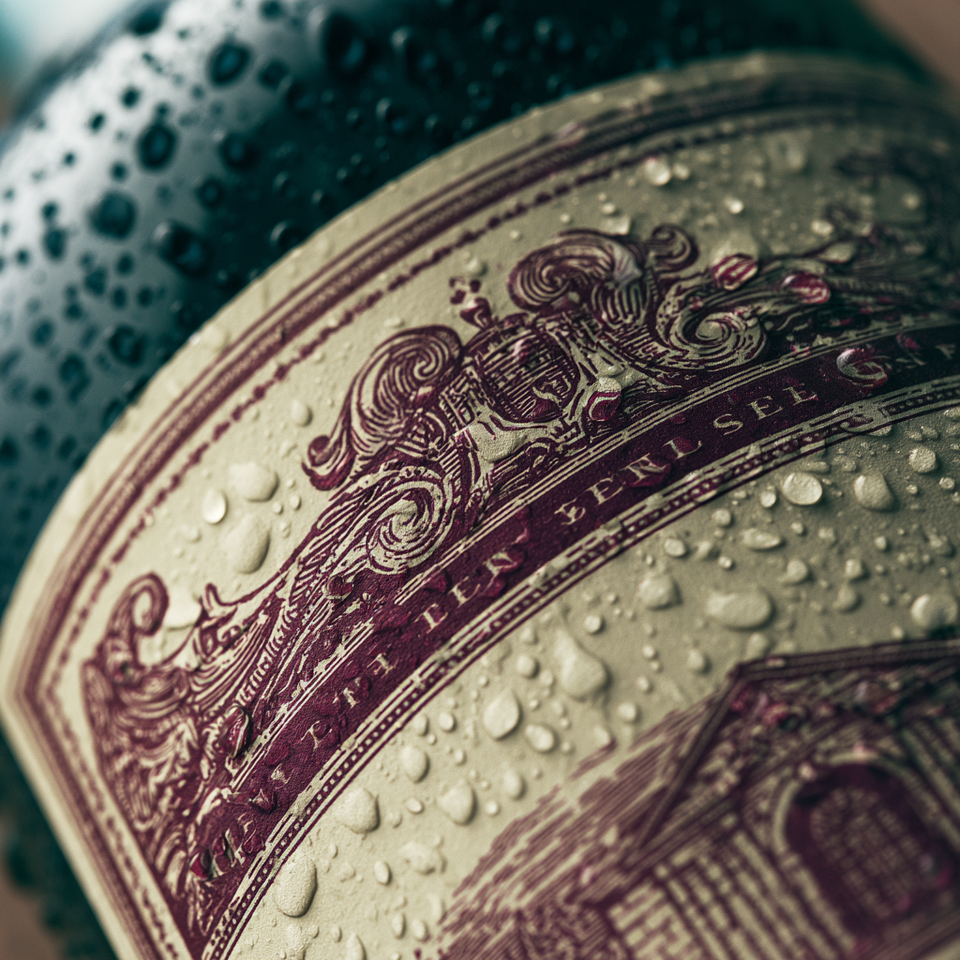
Most Australian winery and brewery owners hit the same wall at the same moment: you have 400 bottles of a single-vineyard Grenache ready to release, the vintage year changed your back label, and your external print supplier needs a 2,000-label minimum and three weeks to deliver.
The product sits in the cellar while the opportunity passes. That is not a procurement problem — it is a structural mismatch between how outsourced label printing works and how small-batch, seasonal beverage production runs.
This guide is written for Australian winery owners, brewery managers and beverage brand operators evaluating whether a dedicated beverage label printer makes commercial sense for their operation. It covers the specific requirements that make beverage labels different from other product labels, the technology choices available, what to look for in a machine, and how to think about the numbers before committing.

Prefer to talk it through? Call (03) 9318 7177. Gulmen Digital's team is in Ravenhall, VIC.
The Labelling Challenge for Australian Beverage Producers
The Australian print label market is currently valued at USD 1.44 billion and is projected to reach USD 1.94 billion by 2034, driven substantially by food and beverage producers who need more label variations, faster, across more SKUs than ever before. [1] That growth is not coming from large-volume, stable labels — it is coming from exactly the kind of fragmented, frequently-changing production that defines modern wine, craft beer and boutique beverage businesses.
What that fragmentation looks like in practice:
- A Margaret River winery producing 12 different wines across two labels each (front and back) needs 24 unique label designs per vintage — and that assumes nothing changes between seasons.
- A Marrickville craft brewery rotating six seasonal releases per year, each with unique artwork and updated allergen information, faces a new print job every two months.
- A kombucha brand launching three new flavours for summer needs labels within days of finalising the recipe, not weeks.
Outsourced label printing works well when volumes are high, designs are stable and lead times are predictable. For Australian beverage producers operating outside those conditions — which describes the majority of the country's 2,000-plus wineries and hundreds of independent breweries — the model creates persistent bottlenecks.
The specific pain points are consistent:
- MOQs that don't match batch sizes. Trade label bureaus commonly require 1,000 to 5,000 labels per design to hit viable price points. A cellar-door-only blend bottled at 300 units doesn't fit that model.
- Lead times that conflict with release schedules. Print runs, proofing and freight routinely add two to four weeks. During vintage or pre-Christmas release periods, that lag has direct revenue consequences.
- Label waste when details change. A revised ABV reading after final analysis, a corrected allergen statement, a new vintage year — any of these can render thousands of pre-printed labels obsolete. The financial and environmental cost of that waste compounds across multiple SKUs.
- High per-label cost at low volumes. Unit economics at trade printers favour long runs. Producers ordering 500 labels typically pay several times the per-label rate of someone ordering 50,000.
A growing number of Australian producers have responded by bringing wine label printing and craft beer label printing in-house, using digital roll label printers that produce 100 to 5,000 labels on demand — no setup fees, no minimum quantities, no external dependencies.
Why Beverage Labels Have Unique Requirements
A beverage label is not simply a product label applied to a bottle or can. It operates in conditions that most other packaged goods never face, and it has to perform across all of them without failure.
Moisture, Condensation and Cold Storage
Wine bottles move from a 15°C cellar to a 4°C retail fridge. Beer cans sit submerged in ice at outdoor events. RTDs are stored at near-freezing temperatures throughout their shelf life.
Labels must withstand:
- Direct contact with condensation when cold product moves into warm ambient air
- Partial submersion in ice buckets at restaurants and events
- Repeated handling of wet, cold surfaces during transit and retail display
Any bottle label printer solution used in-house must pair with substrates — typically synthetic films such as BOPP (biaxially oriented polypropylene), PET or PE — and adhesives rated for refrigeration and wet conditions. Paper labels, even coated grades, absorb moisture and fail under these conditions. Specialist label suppliers confirm that waterproof synthetic media with fridge-safe adhesives is the standard expectation for chilled beverage labels. [2]
Premium Print Quality and Colour Accuracy
A wine label is a brand asset. Research on consumer wine purchasing behaviour consistently shows that label design influences perceived quality and willingness to pay, particularly for unfamiliar producers. A blurred gradient, a colour that drifts from vintage to vintage, or back-label legal text that becomes illegible is not just a cosmetic problem — it affects sales.
Production-grade beverage label printers for wine and premium craft beer should deliver:
- 1,200 dpi or higher resolution for sharp fine text (ABV percentages, allergen statements, origin declarations) and detailed brand artwork
- Consistent ICC colour profile management so your Shiraz label in the 2023 vintage matches the 2024 release on shelf
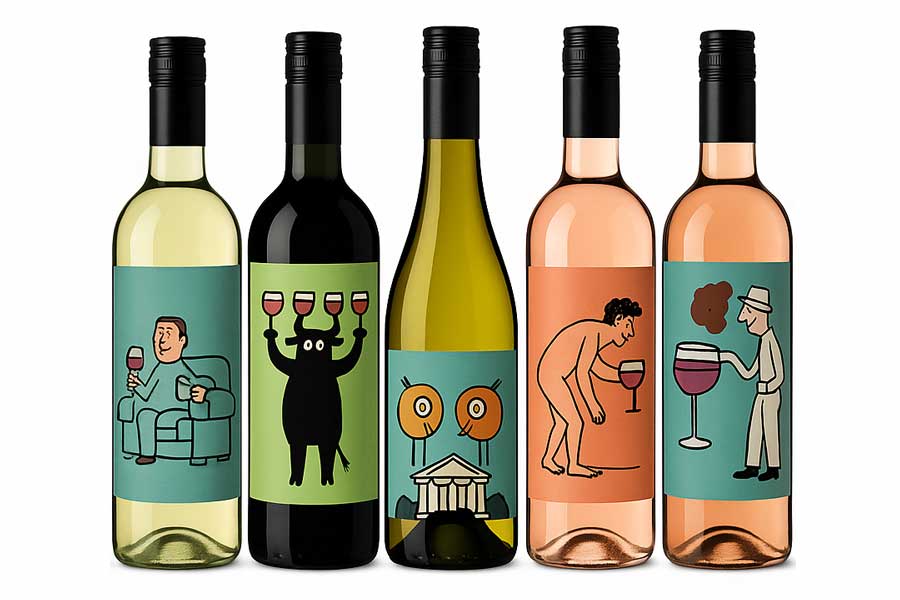
- Ability to handle full-bleed artwork, gradients and detailed illustrative styles that define contemporary wine and craft beverage branding
Roll Format for Automatic Labellers
Commercial bottling lines , even semi-automatic systems used by small wineries and microbreweries ; almost universally require labels on rolls. Sheet-fed output from a desktop printer is not compatible with these applicators. Your in-house wine label printing solution must produce:
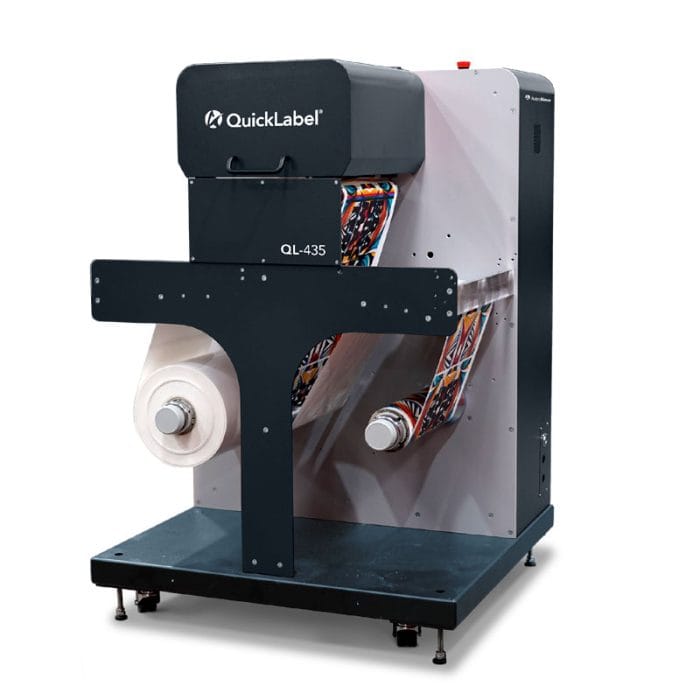
- Roll output with specified core sizes (commonly 3-inch cores) and maximum outer diameters compatible with your applicator
- Accurate gap sensing and eye-mark registration for reliable auto-application
- Clean matrix removal and rewind for different label widths
This requirement alone eliminates most desktop office printers from consideration, regardless of their print quality. The practical output format , not resolution or colour ; is often the first filter.
Multiple Label Types per Container
A standard 750ml wine bottle typically carries:
- A front label featuring brand identity, variety and vintage
- A back label with legal declarations, tasting notes, barcode and standard drink information
- Sometimes a neck label carrying vintage year, awards or closure branding
A beverage label printer solution needs to handle multiple widths, lengths and shapes efficiently, with fast changeover between SKU variations. Integrated finishing systems , slitting, die-cutting, rewinding ; become part of the production workflow, not optional extras.
In-House vs. Outsourced: When Does It Make Sense?
The decision is not binary. Many Australian producers run a hybrid model: outsource large-volume flagship labels, and print seasonal, experimental and compliance-sensitive SKUs in-house. The question is where to draw the line.
The Economics of Short-Run In-House Printing
Global market data on smart and industrial label printers shows an 8.85% CAGR from 2024 to 2032, with wineries, breweries and distilleries explicitly named as growth verticals. [3] That adoption rate reflects a straightforward economic logic: at low volumes and high SKU counts, in-house digital printing reduces total cost more reliably than incremental negotiation with outsourced suppliers.
A useful way to frame the decision:
The break-even point depends on your specific consumable costs and machine amortisation, but most producers with more than 10 active SKUs and regular design changes across vintages or seasonal releases find in-house printing viable within one to three production cycles.
When Outsourcing Still Makes Sense
In-house printing is not the right answer for every label on every SKU. Outsourcing remains practical when:
- Total annual label volumes are very low (under 1,000 labels per year across all SKUs)
- Labels require specialty embellishments , hot foil stamping, embossing, screen-applied varnishes ; that production-grade digital presses do not replicate
- A flagship wine or core beer has a stable, high-volume label with no compliance changes anticipated
For producers currently locked into outsourced suppliers who want to assess the full range of options, including hybrid approaches, the guide to alternatives to outsourcing label printing sets out a structured framework for that decision.
Technology Options: Inkjet vs. Toner Label Printers for Beverages
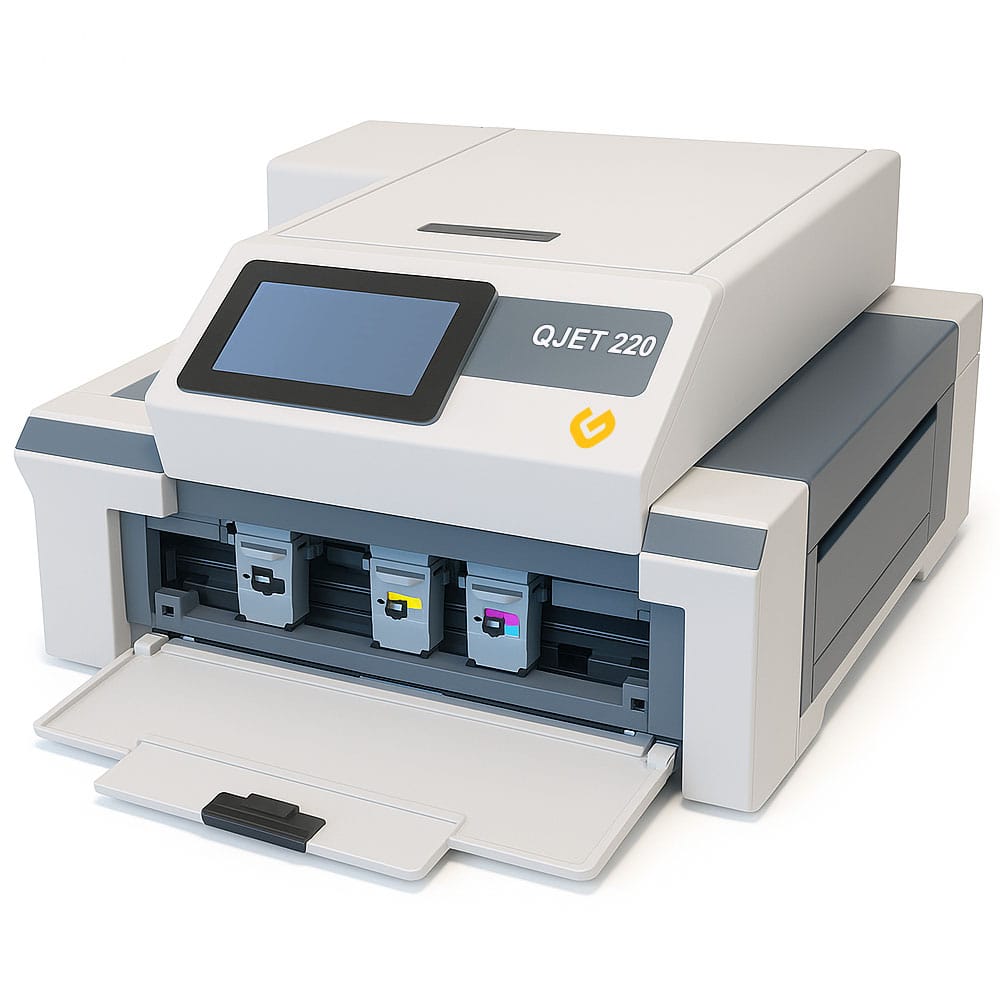
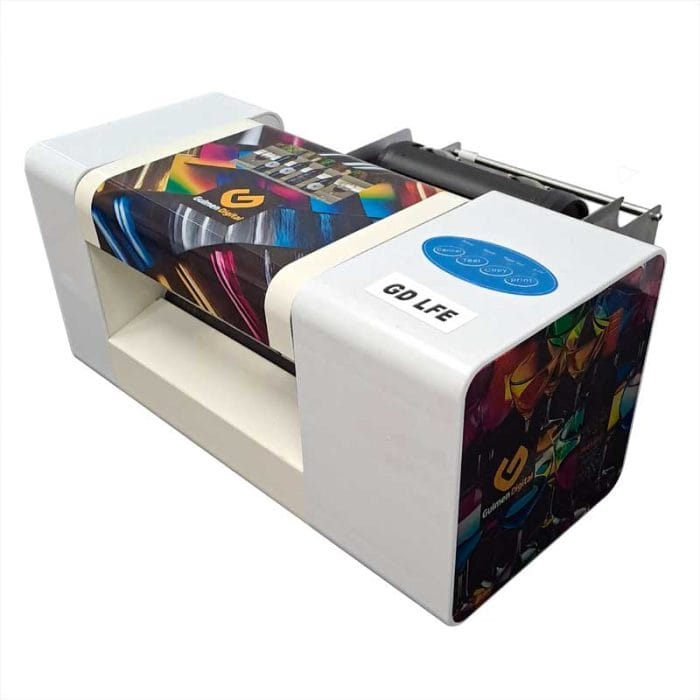
Two primary technologies dominate in-house digital label printing for beverage producers: inkjet roll label printers and toner-based digital label printers. Both can deliver production-quality results for wine and beverage applications — but they perform differently depending on artwork style, substrate requirements and run length
For a detailed technical comparison, the dedicated guide on inkjet vs. Toner label printers covers the full specification and cost-per-label analysis. Below is a summary framed specifically for beverage use cases.
Inkjet Roll Label Printers
Inkjet systems deposit liquid pigment ink onto the substrate. For beverage labels, pigment-based systems (rather than dye-based) are preferred because pigment inks resist moisture and UV degradation significantly better.
Where inkjet performs well for beverages:
- Rich, photographic artwork with gradients, soft colour transitions and detailed illustration — the visual language of many premium wine labels
- Short-run, high-variety production where you are printing 200 labels of one SKU and 400 of another in the same session
- Broad substrate compatibility across coated papers and synthetic films, provided the media is matched to the ink system
Considerations:
- Ink-to-substrate matching is critical for waterproof performance. Using an inkjet printer with media not specifically rated for that ink system can result in smudging under wet conditions
- Printhead maintenance requires attention, particularly if the machine sits idle between production runs
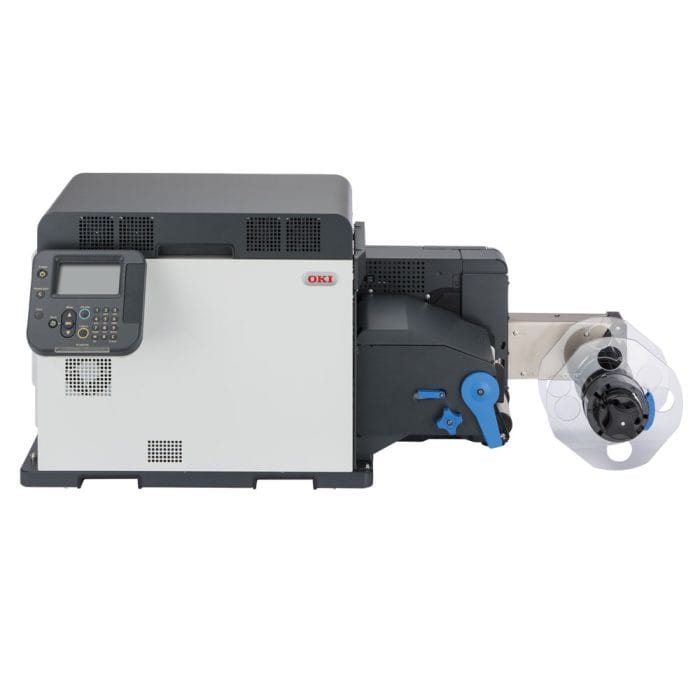
Toner-Based Digital Label Printers
Toner systems fuse dry powder to the substrate using heat and pressure. The result is a chemically stable image that is inherently resistant to moisture and scuffing once fused.
Where toner performs well for beverages:
- Dense legal text and small-format type — the kind of compliance copy on a back label where legibility at 6pt is non-negotiable
- Medium to higher volume production where colour consistency across a long run is the priority
- Synthetic substrates where the toner's water resistance provides an additional performance margin
Considerations:
- Some toner presses carry higher capital costs at entry level compared with compact inkjet units
- Heat-sensitive specialty films require testing before committing to large production runs
Which Technology Suits Your Operation?
For a deeper analysis of how these technologies compare on total cost of ownership, print output and substrate performance, review the guide to digital vs. Traditional label printing.
Key Features to Look for in a Beverage Label Printer
When assessing a wine label printing machine or craft beer label printer for Australian conditions, evaluate these features against your specific production requirements.
Resolution: 1,200 dpi as the Working Standard
Australian alcohol labelling requirements mandate legible text for ABV, volume declarations, standard drink statements and health warnings. At minimum font sizes on a 750ml bottle label, 600 dpi is marginal. At 1,200 dpi, fine text, barcodes and QR codes reproduce reliably at the sizes required by law and by practical readability.
For premium wine labels with detailed artwork, 1,200 dpi also delivers the colour depth and edge sharpness that trade printing typically achieves. It is the practical floor for production-grade beverage label printing, not an aspirational specification.
Synthetic Media Compatibility
The combination of inkjet or toner technology with BOPP, PET or PE synthetic films and fridge-safe permanent adhesive is the standard specification for chilled and cold-storage beverage labels. The global variable data printing labels market , which includes batch codes, vintage dates and compliance text ; is growing at 13.6% CAGR through 2030, driven heavily by food and beverage applications. [4] That growth rate reflects producers demanding label systems that handle data-rich output on durable materials, not just static artwork on paper.
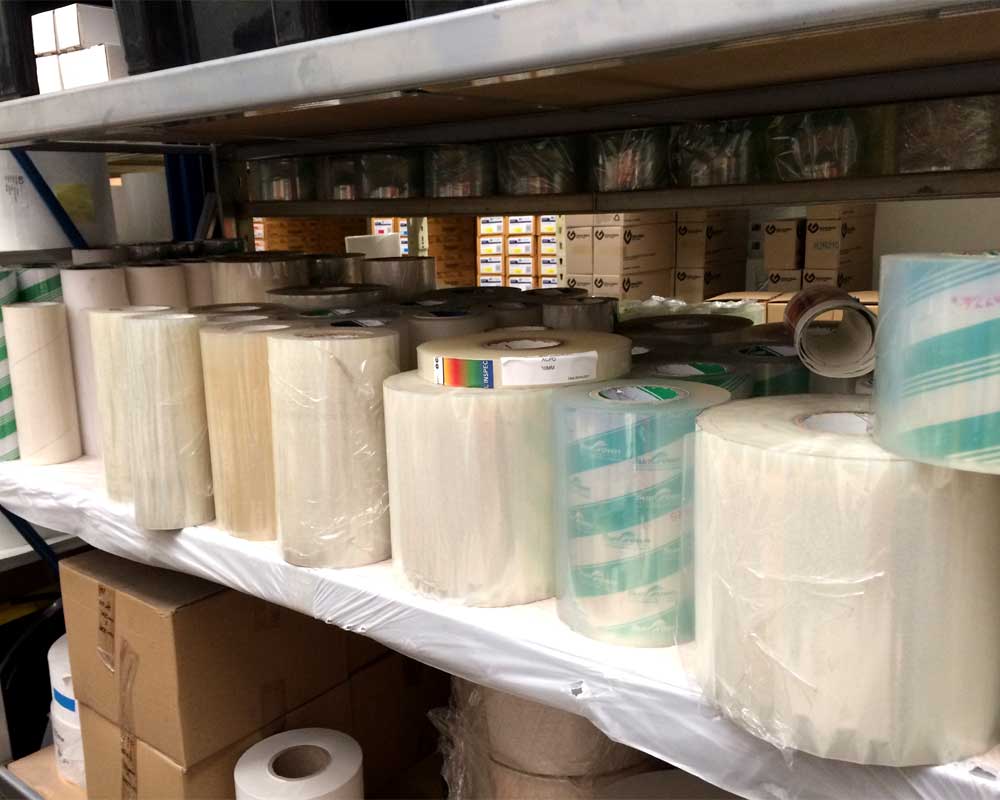
Confirm with your supplier that the printer you are evaluating has tested, approved media combinations for:
- Refrigeration and cold-chain storage
- Wet handling and condensation
- Ice-bucket submersion (where applicable)
Variable Data Support
Vintage year changes. ABV readings come in after final analysis. Batch codes are mandatory for traceability. A production-grade digital label printer for wineries must handle variable data , fields that change from run to run without requiring a full artwork revision ; as a core workflow capability, not an afterthought.
In practice, this means:
- Native variable data support in the printer's RIP software or print management system
- CSV or database import for batch codes, dates and sequential numbering
- Clean integration with your cellar management, brewery management or ERP system for automated data population
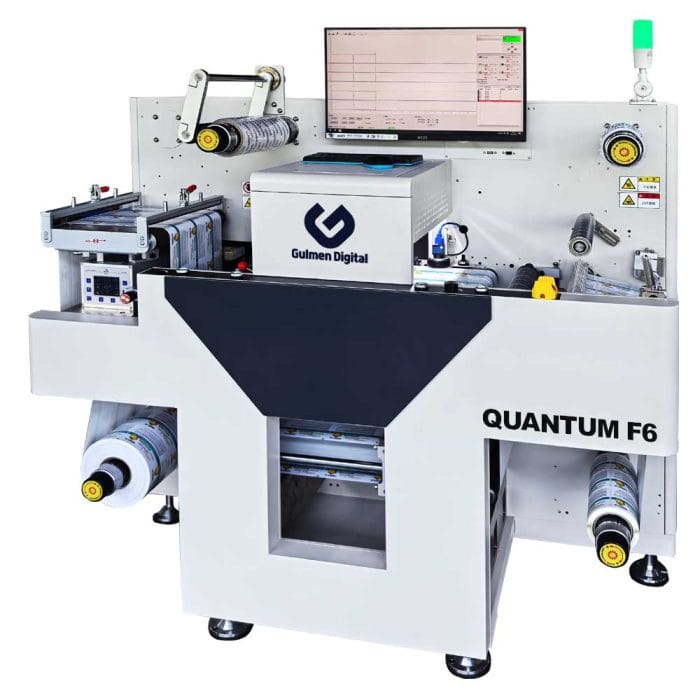
Roll Output and Finishing Integration
A printer that outputs cut sheets is not suitable for automated bottle or can labelling. Confirm:
- Roll output with 3-inch or configurable core sizes matching your applicator
- Maximum outer diameter compatible with your labelling equipment's unwind station
- Availability of inline or nearline finishing: lamination for moisture and scuff resistance, die-cutting for custom shapes, slitting for multiple label widths from a single print pass
Colour Management
Brand colour consistency across vintages is a shelf presence issue, not just a cosmetic one. Ensure the system supports:
- ICC profile management per substrate type
- Regular calibration tools to maintain colour output across print sessions
- Defined colour targets that can be shared with your designer to ensure artwork files are built to the printer's gamut
Compliance and Regulatory Considerations
Australian beverage labels are subject to mandatory requirements that vary by product category, alcohol content and target market. Bringing label printing in-house means taking direct responsibility for accurate, consistent compliance across every run.
Core Requirements for Alcoholic Beverages
Under Australian and New Zealand food standards and related alcohol labelling instruments, wine and beer labels must carry:
- Alcohol by volume (ABV) — accurately stated based on analysis, expressed as a percentage
- Net volume — in accepted units (mL, L, cL)
- Standard drink information — calculated as: container volume (L) × ABV (%) × 0.789 = number of standard drinks
- Supplier details — must include an Australian street address, not a PO Box
- Country of origin — required for most packaged beverages under Australian CoOL regulations
- Allergen declarations — sulphites are common in wine; milk and egg fining agents require declaration
Minimum character heights apply. For a standard 750ml bottle, text must generally meet a 3.3mm minimum character height threshold. At 1,200 dpi, this is achievable cleanly. Below 600 dpi, legibility at these sizes becomes inconsistent.
Pregnancy Warnings and Health Statements
Recent regulatory updates introduced mandatory pregnancy warning labels for packaged alcoholic beverages in Australia. These requirements specify:
- Exact wording and approved pictogram
- Minimum size relative to label dimensions
- Contrast requirements between warning text and label background
Your wine label printer must reproduce the pictogram accurately and at the required size. A printer operating at 1,200 dpi on correctly calibrated media will meet this requirement consistently. Regular calibration and version control in your artwork management are essential to ensure updated warning formats are incorporated as regulations change.
For a comprehensive overview of Australian labelling obligations across product categories, the guide to Australian food and beverage labelling compliance covers mandatory elements, minimum sizes and the practical steps producers should take before each print run.
Variable Data for Traceability
Batch codes and production dates are not just good practice — they are what makes a product recall manageable rather than catastrophic. An in-house label printing system with variable data capability means batch identifiers are automatically populated per production run, creating a direct link between the label on every bottle and the production record for that batch.
How Gulmen Digital Helps Australian Beverage Producers
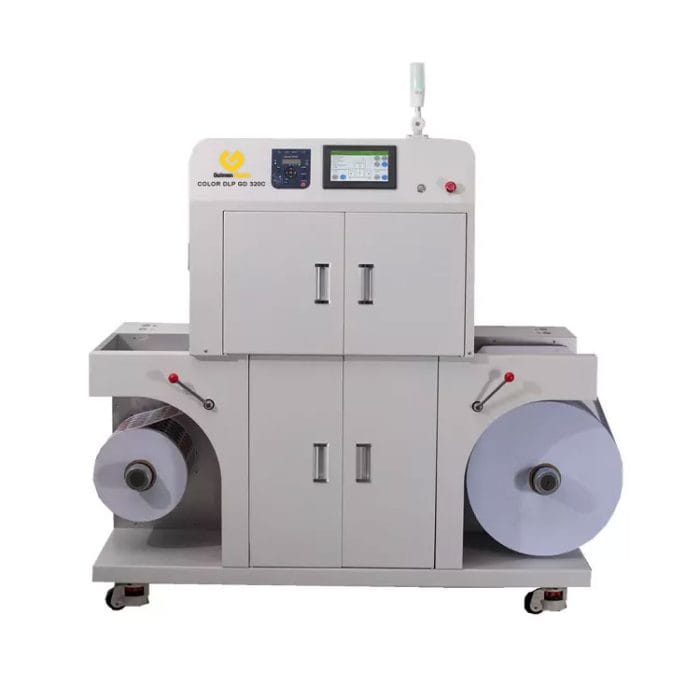
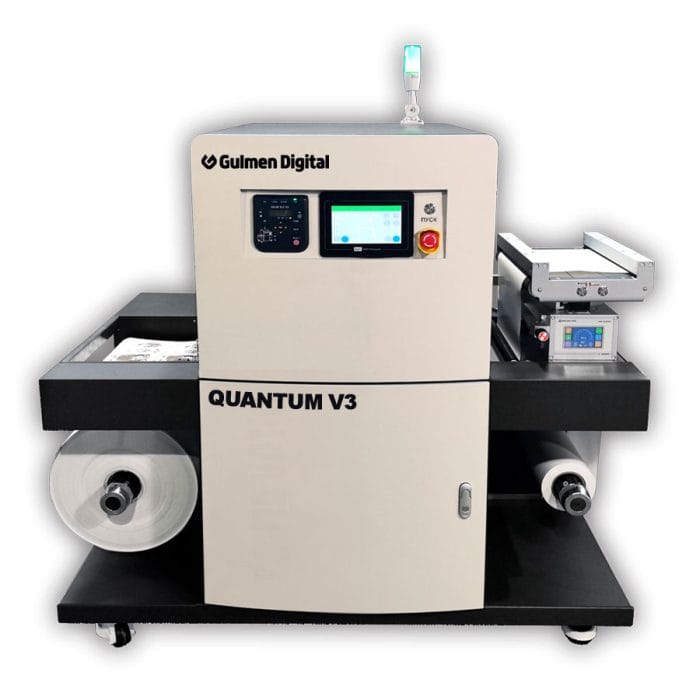
Gulmen Digital is an Australian specialist in commercial and industrial label printing machinery, with a specific focus on helping local manufacturers and producers bring label production in-house. For wineries, breweries and beverage brands, that means practical, production-oriented guidance that general equipment resellers cannot provide.
The label printing machine market is growing at 7.35% CAGR globally, with food and beverages as a primary end-use driver. [5] As that market grows, the complexity of choosing the right system , technology, substrate, finishing, workflow integration ; grows with it. An experienced local partner reduces the risk of investing in a system that solves the wrong problem.
Gulmen Digital's support for beverage producers includes:
- Technology selection guidance — matching inkjet or toner technology to your SKU profile, run lengths and durability requirements
- Media specification — identifying tested synthetic, moisture-resistant and fridge-safe label stocks compatible with your chosen printer
- Integrated finishing solutions — die-cutting, lamination and slitting systems that convert printed roll output into applicator-ready label rolls
- Variable data workflow setup — connecting your label design and print software to production data sources for batch codes, vintage information and compliance text
- Local installation and training — on-site setup and operator training so your team can run the system from day one without relying on remote support for basic operations
- Ongoing Australian support — consumables supply, maintenance and technical assistance from a team based in Australia
To explore the full range of available systems, visit the Gulmen Digital label printers page, or review the broader label printer guide for Australian manufacturers for context on how label printing fits into wider production workflows.
Getting Started
If you are assessing a beverage label printer for your winery, brewery or beverage brand, start with an honest inventory of your current label operation: how many SKUs you carry, how often designs change, what your current per-label cost and lead times are, and where label delays or waste have cost you most in the past 12 months.
From that baseline, the technology choice, media specification and finishing configuration follow logically. Gulmen Digital works through that assessment with Australian producers and configures systems to match the specific demands of wine, beer and beverage label production — not generic office or logistics labelling.
Explore the range of Gulmen Digital label printers, or contact Gulmen Digital directly to discuss your production requirements and receive a tailored recommendation.

Prefer to talk it through? Call (03) 9318 7177. Gulmen Digital's team is in Ravenhall, VIC.
Frequently Asked Questions
Q: What printer is best for wine labels in Australia?
The best wine label printer in Australia for your operation depends on three factors: your annual label volume across all SKUs, the visual style of your labels (photography and gradients versus solid colours and type), and your substrate requirements. For most small to mid-sized wineries printing 5,000 to 30,000 labels per year across 10 or more SKUs with premium artwork, a pigment inkjet roll label printer operating at 1,200 dpi on BOPP or PET synthetic media is the practical starting point.
Toner-based systems become more competitive as volumes increase and when back-label compliance text density is high. Gulmen Digital can assess your specific requirements and recommend the appropriate system.
Q: Can I print waterproof, fridge-safe labels in-house?
Yes. Waterproof, condensation-resistant labels suitable for refrigeration and ice-bucket use are achievable with a production-grade digital printer paired with synthetic label media (BOPP, PET or PE film) and fridge-safe permanent adhesive. The critical factor is matching the printer's ink or toner system to media specifically rated for that combination.
Using incompatible media , even with a capable printer ; produces labels that fail under wet conditions. A specialist like Gulmen Digital will specify tested printer-and-media combinations for your application rather than leaving substrate selection to trial and error.
Q: What is the minimum run size where in-house printing makes financial sense?
There is no universally correct answer, but the practical trigger for most Australian beverage producers is when they regularly need labels in quantities below 1,000 per SKU, change designs more than once or twice per year, or carry more than 8 to 10 active label SKUs simultaneously.
At those thresholds, the cumulative cost of outsourcing — including MOQ premiums, freight, proofing turnaround and waste from obsolete stock — typically exceeds the amortised cost of owning and operating an in-house system within two to three production seasons.
Q: How do I ensure my in-house labels meet Australian alcohol labelling requirements?
Compliance is a design and workflow issue as much as a printing issue. Your label artwork must incorporate all mandatory elements — ABV, volume, standard drinks, Australian street address, origin, allergen declarations and required health warnings — at or above minimum text sizes, with sufficient contrast.
An in-house printer with variable data capability ensures batch codes, dates and SKU-specific compliance information are accurately populated per run. For the full list of requirements and practical pre-print checks, the guide to Australian food and beverage labelling compliance is the recommended reference.
Q: Can one machine handle both wine and beer labels of different sizes?
Action-grade roll label printers and digital label presses support configurable print widths and label lengths, making them suitable for front and back wine bottle labels, beer can body wraps, neck labels and smaller closure labels from the same machine.
Finishing equipment , slitters and die-cutters ; allows you to produce multiple label sizes from a single print run. The key is specifying a system with a maximum print width that accommodates your largest label, combined with finishing flexibility for the full range of sizes and shapes in your portfolio.


Comments ()